


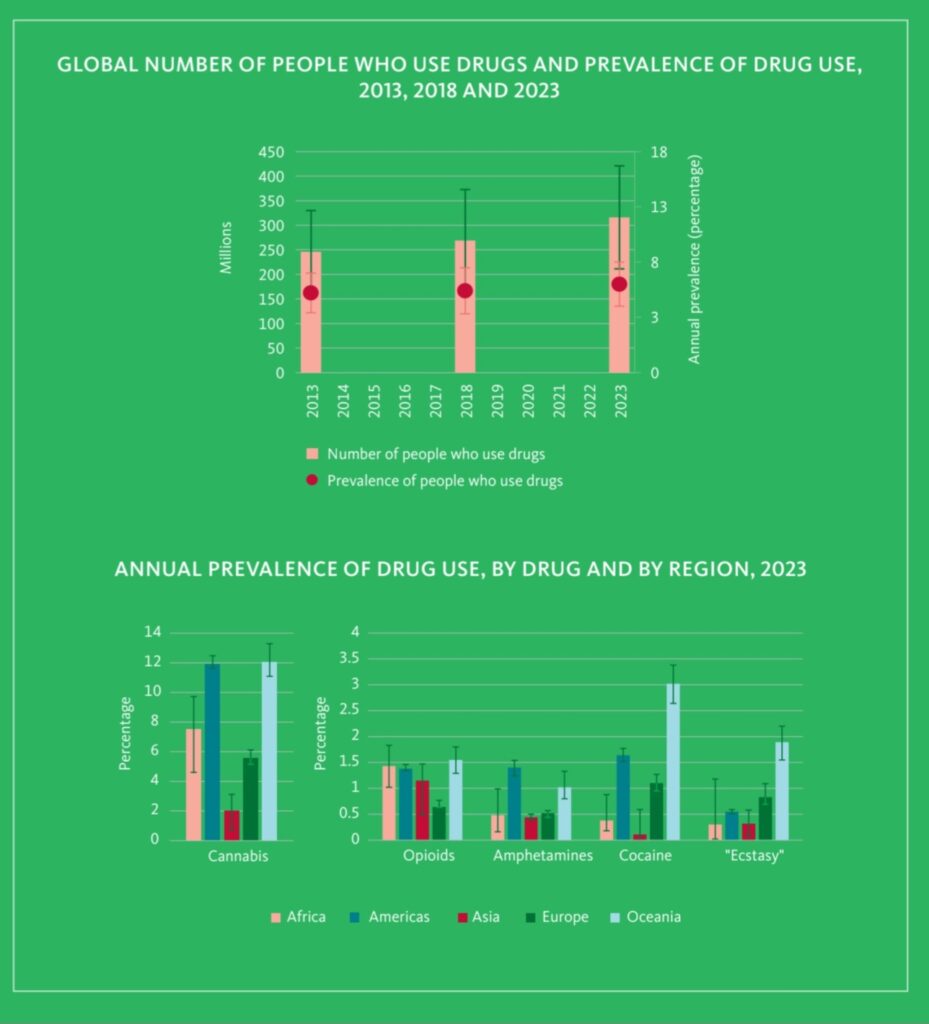
Teenage drug abuse has become a pervasive and alarming problem worldwide. Many teenagers fell into the trap of drugs and substance usage as a form of escape, the urge to rebel, and the growing accessibility to substances. This addiction often climaxes with devastating consequences.Drugs such as marijuana, opioids, and prescription medications are among the most abused, leaving lasting effects on the health and well-being of our youth. In the age of social media, peer pressure, and the normalization of substance use, it’s time we confront this issue head-on before it spirals further out of control. Below is the latest statistics as illustrated in the World Drug Report 2025 by UNODC showcased the number of people who were using drugs globally over the years.
The Dark Reality of Teen Drug Abuse
The teenage brain is still developing, making it more susceptible to the harmful effects of drugs. Early exposure to drugs can have irreversible consequences, leading to long-term mental health issues, academic struggles, and an increased risk of addiction in adulthood.
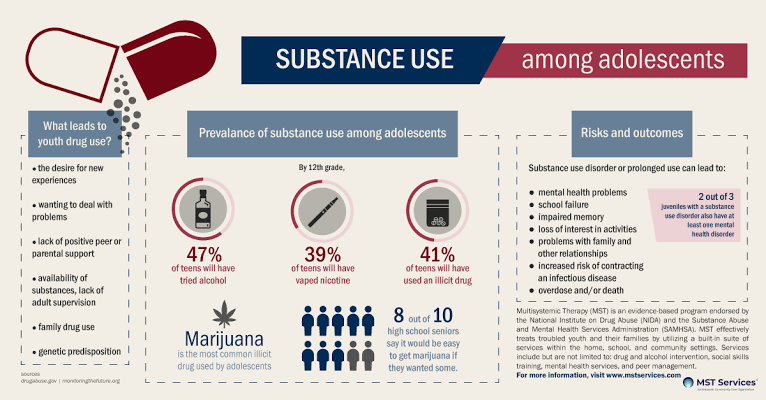
Recent reports have painted a bleak picture of the increasing rate of drug abuse among teenagers. According to the study by National Institute on Drug Abuse (NIDA), drug use among U.S. teenagers has risen significantly, with nearly 50% of high school seniors reporting some form of illicit drug use. The rise in substance abuse is not confined to the United States. Research published in The Lancet 2022 showcased that teenage drug use is a global phenomenon, with countries like Canada, the UK, and Australia experiencing similar trends.
Furthermore , In Pakistan studies have suggested an alarming rise in drug abuse among the teenagers. A 2019 World Bank report showed that 43% of Pakistani youth use drugs, alcohol, and other narcotic substances.Additionally, a 2024 investigation found that nearly 15 million young Pakistanis are battling substance abuse, with 3 million students affected nationwide. Hence , there is an urgent need for an elaborated intervention to address the drug abuse problem among Pakistani youth.
Why Are Teenagers Turning To Drugs?
Multiple factors contribute to the escalating drug abuse issue among teenagers. Peer pressure is one of the most influential reasons. Psychology of Addictive Behaviors published a study in 2021, which showed that around 60% of teenagers who experimented with drugs did so because of pressure from friends or social circles.The desire to fit in, gain social approval, or cope with anxiety and depression often pushes them to make dangerous choices.
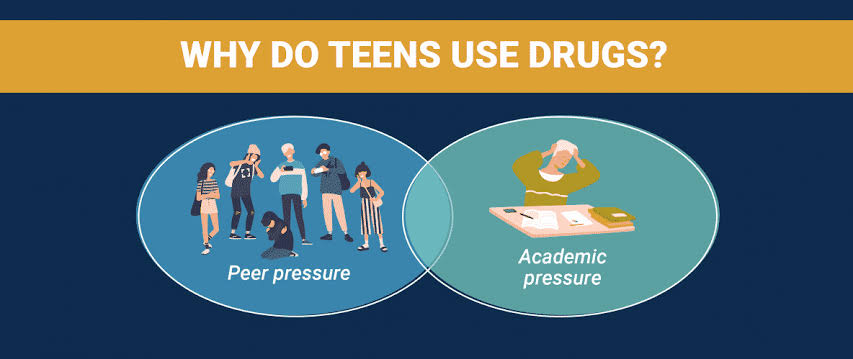
The rise of social media has fostered an environment where substance abuse is often idealised. Social Media Platforms regularly showcase content related to drug use, often portraying it as a way to appear “cool” or “mature.” According to a study by JAMA Pediatrics in 2023, teenagers who were exposed to drug-related content on social media were more likely to engage in substance use themselves.
The easy access to drugs is another menace. The opioid crisis has led to an increase in prescription drug abuse, and the illegal drug trade has made substances like marijuana, cocaine, and methamphetamine easily accessible to young people.
The Consequences: A Wake-Up Call For Parents, Educators and Policymakers
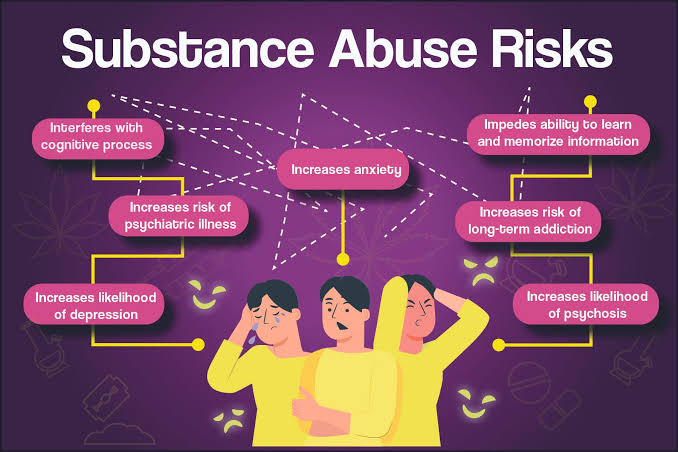
The detrimental effects of teenage drug abuse are severe and far-reaching. This not only affects physical health but mental and emotional well-being as well. They are at a higher risk of developing mental health disorders such as depression, anxiety, and paranoia and are more likely to engage in risky behaviors such as driving under the influence (DUI) , or getting involved in criminal activities.
Moreover, SUDs impairs cognitive functioning and memory, making it harder for teens to succeed in school. Academic failure often leads to the lack of self-esteem, increased depression, and more substance use. Ultimately, drug abuse can rob these individuals of their potential, leaving them with limited opportunities and a lifetime of struggles.
Call To Action: What Needs To Be Done?
Addressing the rise in teenage drug abuse needs a multidimensional approach. Parents, educators, healthcare professionals, and policymakers all have to join their hands in order to combat this growing crisis.
Awareness and Early Education: Schools must implement drug education programs that focus not just on the dangers of drug use, but also on teaching the youth the coping mechanisms to deal with emotional distress.
Increased Parental Supervision: Parents should be more engaged in their children’s lives, providing open communication, understanding, and emotional support. Studies show that teenagers who feel more connected to their families are less likely to engage in drug abuse.
Easy Access to Mental Health Services: Many teenagers turn to drugs as a way to cope with underlying issues. Providing better and affordable access to mental health services can help address the root causes of substance abuse.
Promoting Positive Role Models: Social media platforms must take responsibility for the content they allow. By promoting positive role models and discouraging harmful behavior, platforms can help mitigate the glorification of substance abuse.
Stronger Legislation and Regulation: Governments must continue to tighten regulations around the sale of prescription drugs and illegal substances. Stricter enforcement of laws prohibiting the distribution of drugs to minors is essential. Punishment should be imposed upon volations of the rules.
Conclusion
Teenage drug abuse is not just a personal crisis rather it’s a societal emergency. As the statistics grow more alarming, the need for urgent, coordinated action becomes undeniable. Tackling this issue requires more than awareness; it demands empathy, education, and enforcement. By empowering families, reforming school programs, regulating media influence, and expanding access to mental health care, we can begin to reverse the tide. The future of our youth depends on the choices we make today. Let’s choose prevention, compassion, and resilience.