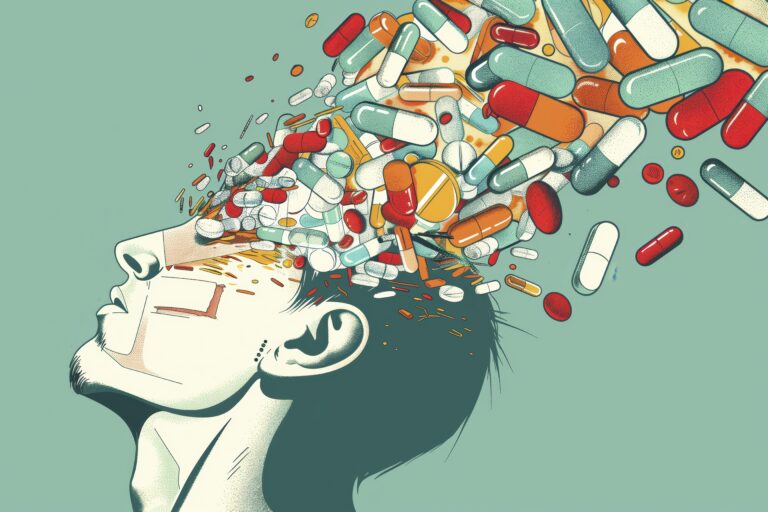

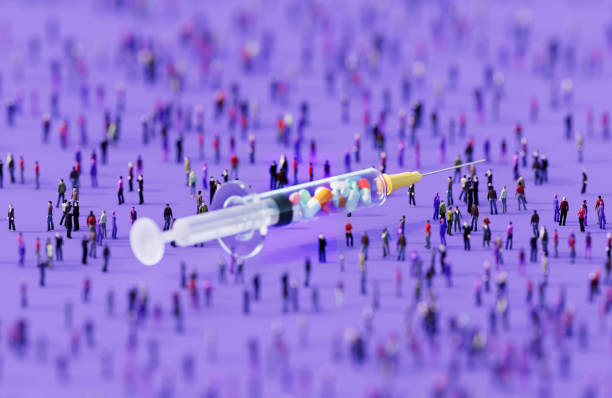
Drug addiction remains a pervasive challenge worldwide, affecting millions and imposing significant health, social, and economic burdens.The prevalence of substance use disorders has escalated over the past decades, necessitating comprehensive strategies to mitigate their impact on individuals and societies. Between 2020 and 2025, various nations have adopted diverse strategies to combat this issue, yielding valuable insights into effective interventions. This upward trend underscores the pressing need for effective interventions and policies to address the multifaceted nature of drug addiction.
According to the United Nations Office on Drugs and Crime (UNODC) World Drug Report 2024, approximately 296 million people worldwide used illicit drugs in 2021, marking a 26% increase over the previous decade. Cannabis remains the most commonly used drug, with an estimated 219 million users in 2021.Opioids, particularly synthetic variants like fentanyl, have contributed to a surge in overdose deaths, especially in North America.
Global Perspective on Drug Addiction in Reference to Middle and Lower Middle Class
Drug addiction is a pervasive issue that transcends socioeconomic boundaries, but its impact is particularly profound among middle and lower-middle-class populations. Individuals in these socioeconomic strata often face unique challenges, including limited access to healthcare services, heightened exposure to stressors, and reduced social support, all of which can contribute to substance use disorders (SUDs). Research indicates that poverty is associated with a higher likelihood of self-identifying substance abuse-related problems among illicit drug users, suggesting that socioeconomic disadvantages exacerbate the risk of addiction.
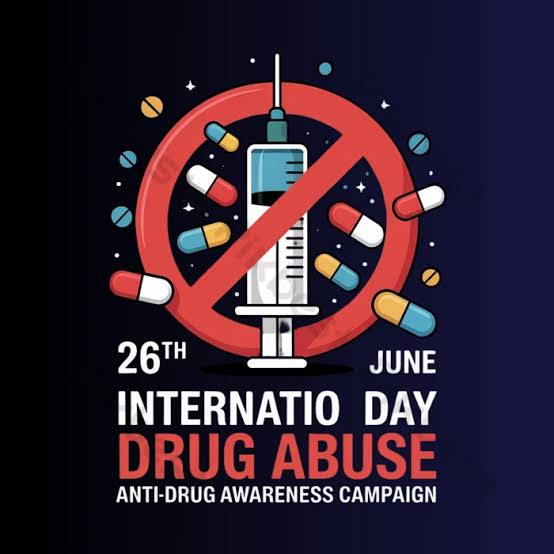
Globally, the demand for SUD treatment far exceeds the available resources, with a significant treatment gap observed in low- and middle-income countries (LMICs). Approximately 80% of individuals requiring treatment for mental, neurological, or substance use disorders reside in LMICs, yet only 20% receive the necessary care.This disparity is often more pronounced among middle and lower-middle-class communities, where financial constraints and limited healthcare infrastructure hinder access to effective treatment options. Consequently, there is a pressing need for scalable, cost-effective interventions tailored to the socioeconomic realities of these populations.
Way Out:
Community-based psychosocial interventions have emerged as promising strategies to address SUDs in resource-constrained settings. These interventions leverage local resources and cultural contexts to provide support and treatment, thereby enhancing accessibility and acceptability among middle and lower-middle-class individuals. Studies have demonstrated the effectiveness of such programs in LMICs, highlighting their potential to bridge the treatment gap.Implementing and scaling up community-based approaches, alongside policy initiatives aimed at reducing socioeconomic disparities, are crucial steps toward mitigating the burden of drug addiction in these vulnerable populations.