
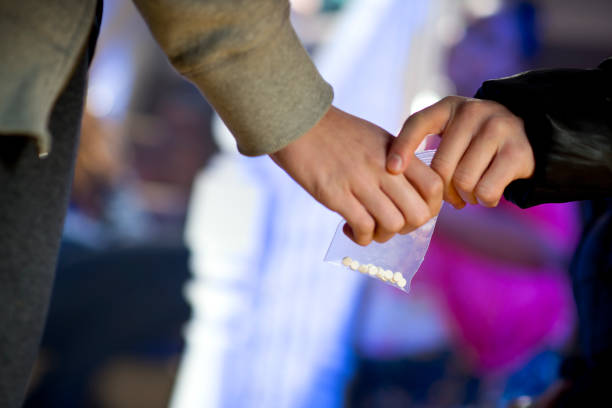
Pakistan faces a significant drug abuse problem. The National Drug Use Survey Pakistan 2022-24 revealed that approximately 6% of the population of which 9% of adult males and 2.9% of adult females (equivalent to 6.7 million people) , had used substances other than alcohol and tobacco in the preceding year.
Alarmingly, about 700 individuals die daily from drug-related complications and overdoses, totaling approximately 250,000 deaths annually.
Pakistan’s Perspective on Overcoming Drug Addiction
Drug addiction in Pakistan is a multifaceted issue that significantly affects the people of Pakistan especially the middle and lower-middle-class populations. The prevalence of substance abuse among these socioeconomic groups is influenced by various factors, including socioeconomic stressors, limited access to education, and inadequate employment opportunities. A study conducted among slum dwellers in Islamabad revealed that 33.3% of respondents reported drug abuse, with 38% addicted to two or more types of drugs. Notably, 84% of these individuals had been working since childhood, highlighting the correlation between early labor and substance abuse.
Family dynamics also play a crucial role in the initiation and perpetuation of drug use among youth in Pakistan. In a collectivistic society where family is the primary support system, dysfunctional family relationships and poor communication can predispose individuals to substance abuse. Research indicates that lack of parental supervision and family conflicts are significant predictors of drug addiction among Pakistani youth.
Way Out
Addressing drug addiction within these communities necessitates comprehensive strategies that encompass prevention, treatment, and rehabilitation. Community-based interventions, such as awareness campaigns and support groups, can be effective in educating the populace about the dangers of drug use. Additionally, enhancing access to affordable treatment facilities and rehabilitation centers is imperative. Governmental and non-governmental organizations must collaborate to develop policies that provide economic opportunities and social support systems, thereby mitigating the underlying socioeconomic factors contributing to substance abuse.
Case Studies from Various Nations
1) Portugal: Decriminalization and Harm Reduction
In 2001, Portugal decriminalized the possession and use of all illicit drugs, shifting from a punitive approach to a public health-oriented model. This policy emphasizes harm reduction, including needle exchange programs and access to treatment services. Studies have shown a decline in drug-related deaths and HIV infection rates among drug users since implementation. The UNODC has recognized Portugal’s approach as a model for balancing public health and legal frameworks.
2) Sweden: Strict Drug Policies and Rehabilitation
Sweden enforces stringent drug laws, aiming for a drug-free society. Despite strict enforcement, the country invests heavily in comprehensive rehabilitation programs, offering medical treatment, counseling, and social reintegration services. This dual approach has resulted in relatively low drug usage rates compared to other European nations. However, debates continue regarding the balance between enforcement and harm reduction.
3) Canada: Supervised Consumption Sites
Canada has implemented supervised consumption sites (SCS) where individuals can use pre-obtained drugs under medical supervision. These sites aim to reduce overdose deaths and connect users with health services. Evaluations indicate that SCS have successfully decreased fatal overdoses and encouraged entry into treatment programs. The Canadian model demonstrates the potential benefits of integrating harm reduction into national drug policies.
Comparing these Approaches Offers Valuable Lessons For Pakistan
Public Health Focus: Portugal’s decriminalization underscores the effectiveness of treating drug addiction as a health issue rather than a criminal one.
Comprehensive Rehabilitation: Sweden’s investment in rehabilitation highlights the importance of providing robust support systems for recovery.
Harm Reduction Services: Canada’s SCS illustrate how harm reduction services can mitigate the adverse effects of drug use and facilitate access to treatment.
Success Stories
In Pakistan, community-based organizations have initiated programs focusing on rehabilitation and reintegration. For instance, the Dost Welfare Foundation in Peshawar offers treatment and vocational training to recovering addicts, enabling them to rejoin society productively. Such initiatives demonstrate the potential for positive outcomes through dedicated support and resources.


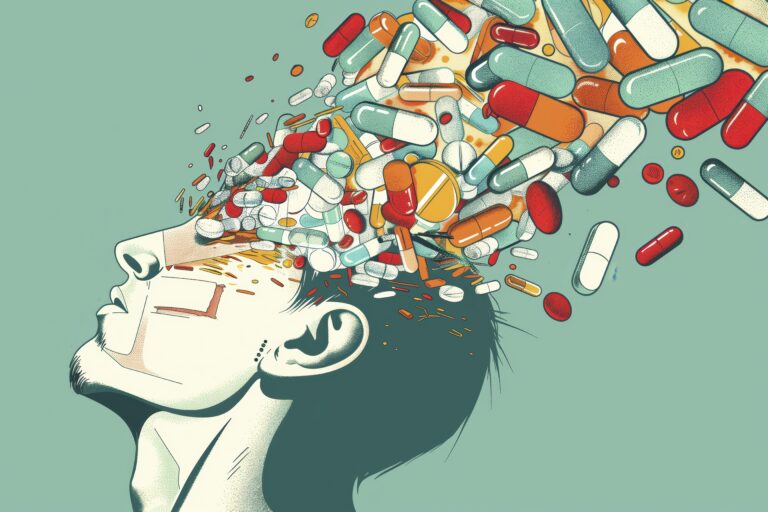
Pakistan is seeing steady increase of drug consumption among School and University students. This is clear and present danger needs to be addressed urgently.
Indeed,it’s an alarming situation and needs an immediate remedy. Thank you for your feedback.
Finally, great initiative should be highlighted more. Great article.
Thank you for your feedback. Please stay connected with Ain Studio to read more insightful articles.
Good job 👍….and keep up with the same enthusiasm✨✨
Thank you for your appreciation. Please stay with us.